

Journal · 2 July 2026
What the harvest window actually decides
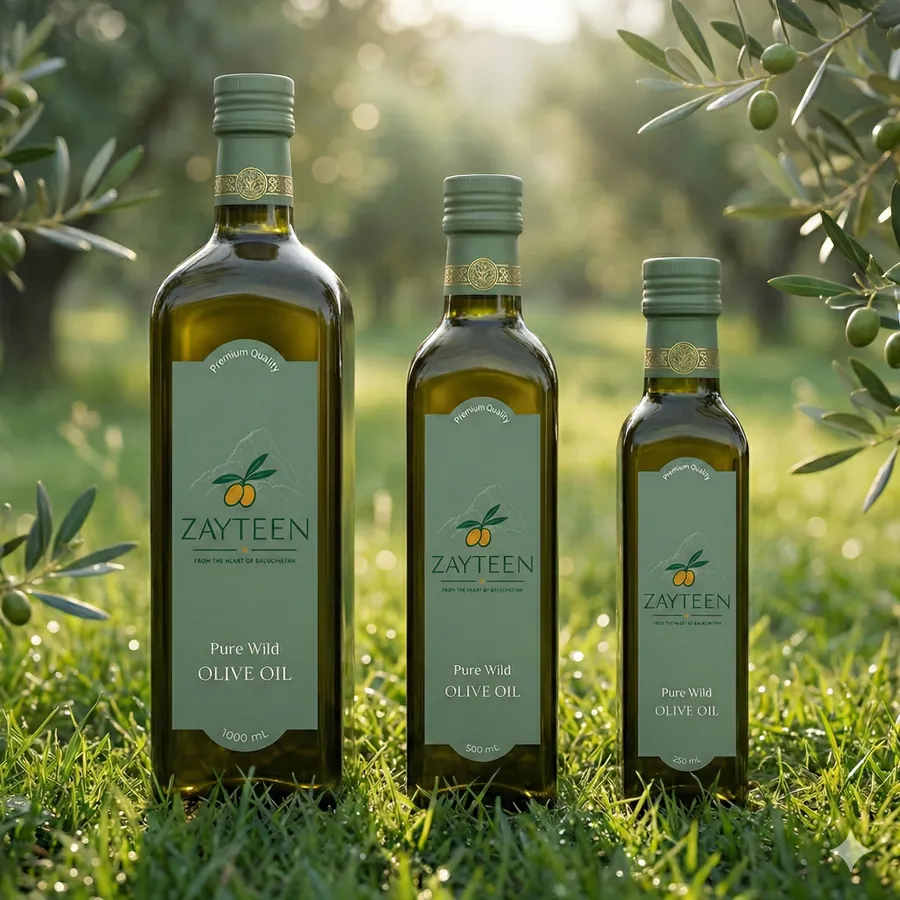
Every olive producer makes one decision that shapes the bottle more than any other, and it happens before a single olive reaches the mill. It is simply this: when do you pick?
Green, turning, black
An olive changes over roughly six weeks. It starts hard and green, shifts through purple, and ends up soft and black. Oil content climbs the entire time. Polyphenol content peaks early and then falls away.
So a producer picking green gets less oil per tree, but that oil is bitter, pungent, high in antioxidants and slow to go rancid. A producer picking black gets substantially more oil per tree, and that oil is mild, sweet, low in polyphenols and shorter-lived.
Neither is wrong. They are different products, and the choice is usually economic. If you are selling by volume into a commodity market, waiting is worth a great deal of money.
What we do
We pick at the turn, the point where the skin is shifting from green to purple, which in Balochistan usually falls in the second half of October. It is a compromise, but it sits closer to the green end than most.
The wild trees complicate it. They are scattered, they ripen at slightly different rates depending on altitude and how much water they found that year, and there is no way to bring the whole harvest in on one day. That is part of why the wild oil varies more between seasons than the cultivated one does, and why we would rather tell you that than pretend every bottle is identical.
Why it shows up in the price
Picking early costs yield. A grove harvested at the turn might give twenty to thirty percent less oil than the same grove harvested three weeks later. Somebody pays for that, and in our case it is partly us and partly you.
What you get back is an oil that tastes of something and that lasts. High-polyphenol oil is more resistant to oxidation, the same compounds that make it taste peppery also protect it on your shelf. Mild, late-harvest oil goes flat faster.
How to spot it in a bottle you already own
If a bottle lists a harvest date, that is the single most useful thing on the label. Most do not. Failing that, taste it: an early-harvest oil is green and bitter with a peppery finish, a late-harvest oil is soft and almost buttery.
If it tastes of nothing at all, the harvest date is not your problem. That bottle is simply old.
This season's pressing
Harvested at the turn in October and bottled with the pressing date on the label.
See the oils