

Journal · 14 August 2026
Why good olive oil burns your throat
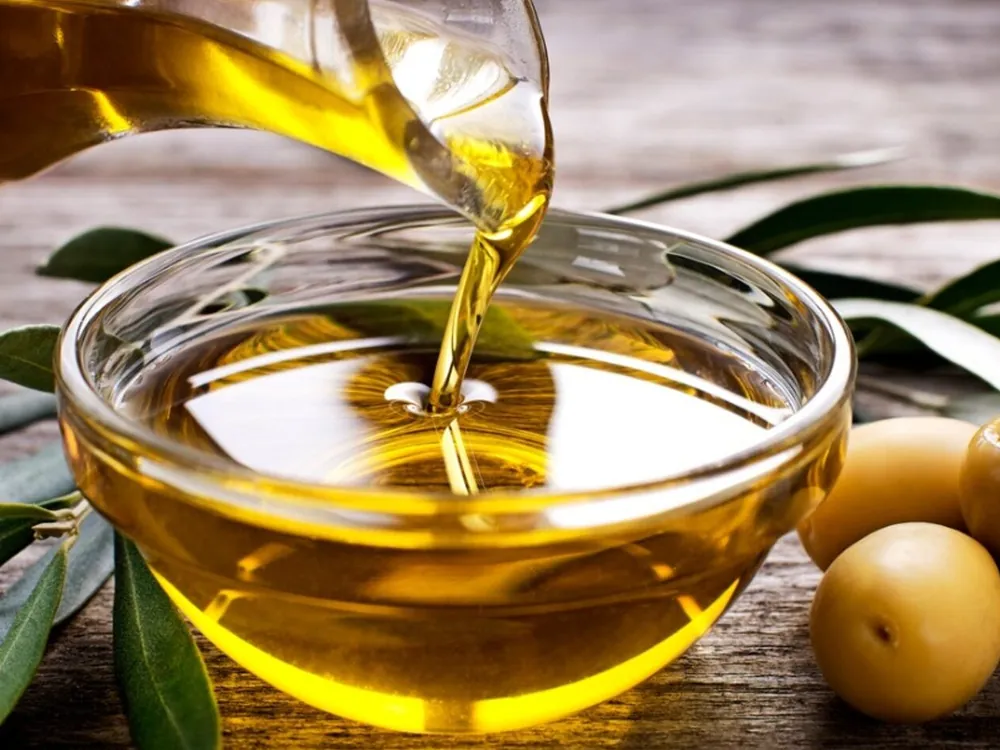
The first time someone tries our wild oil neat, roughly half of them cough. Then they look up, slightly alarmed, and ask whether the bottle has gone off.
It hasn't. That catch at the back of the throat is the single most reliable sign that an olive oil is fresh and well made, and the fact that most people have never experienced it says a great deal about what is being sold as olive oil.
The compound doing it
The sensation comes from oleocanthal, a phenolic compound found in fresh olive oil. What makes it unusual is where it acts. Most pungent things in food, chilli, mustard, black pepper, register across the tongue and mouth. Oleocanthal is almost exclusively felt in the throat, which is why the reaction is a cough rather than a burn.
It was identified relatively recently by a researcher who noticed that the throat sting from fresh olive oil felt strangely similar to the sting from liquid ibuprofen. That turned out not to be a coincidence, both act on the same receptor. This is genuinely interesting chemistry, and it is also where a great deal of overselling begins, so it is worth being careful: the compound has been studied in relation to inflammation, but a spoonful of olive oil is not a painkiller and nobody should treat it as one.
Why most olive oil doesn't do it
Polyphenols, including oleocanthal, degrade. They degrade with heat, with light, with oxygen, and with time. An oil pressed from olives picked early, milled the same day, and kept in dark glass will be noticeably pungent. The same oil eighteen months later, having crossed an ocean and sat under supermarket lighting, will be smooth and mild.
Smooth and mild is what a lot of people have learned to expect, because it is what has been available. It reads as refined. In fact it is usually just old, and sometimes it is the result of deliberate processing: refined olive oil is stripped of its defects and its character in the same step, then blended back with a little virgin oil for colour.
How to test a bottle
You do not need a laboratory to get a rough sense of an oil. Pour a small amount into a glass, cup your hand over the top, and warm it for a moment. Then smell it. It should smell green, cut grass, tomato leaf, green almond. If it smells of nothing, or faintly of crayon or old nuts, it is past its best.
Then taste it. Hold a small sip in your mouth, draw air across it, and swallow. You are looking for three things in sequence: fruit at the front, bitterness in the middle, and pungency at the back of the throat. Bitterness and pungency are both positive attributes in a formal tasting, which surprises most people. What you do not want is anything musty, vinegary, or greasy.
What this means for what you buy
Pungency is not the same as quality, a badly made oil can be harsh for the wrong reasons, and some excellent oils from certain varieties are naturally gentle. But in the specific case of comparing a fresh bottle to an old one from the same origin, the peppery one is the fresher one, and freshness is most of what you are paying for.
It is also why we sell two oils rather than one. Our extra virgin is deliberately balanced, because an oil you cook with every day should not fight with your food. The wild oil is the other end of the scale, and it is genuinely not for everyone. One of our reviewers noted that her children refused a salad made with it, which is fair and we would rather that be said out loud than discovered after purchase.
If you have never tasted an olive oil that made you cough, it is worth doing once. You may decide you prefer the mild one. But you will at least know what the difference is, and roughly what has been happening to the bottle in your cupboard.
Try it yourself
The wild oil is the pungent one. Start with the 250ml if you are not sure.
See the wild olive oil