
Our process
Everything that happens between the tree and your table
There is no secret to good olive oil. There is only a series of chances to ruin it, and the discipline to not take any of them.
One, harvest
Picked by hand, in the same week the fruit turns
Olives are harvested at the moment the skin shifts from green to purple. Earlier gives you more polyphenols and less oil; later gives you more oil and less of everything worth having. We pick early and accept the lower yield.
Everything is handpicked into shallow crates. Mechanical shakers are faster and they bruise the fruit, and bruised olives start fermenting on the way to the mill.
Two, pressing
Cold-pressed within 24 hours, below 27°C
Every hour between picking and pressing raises free acidity. Ours go to the mill the same day or the next morning.
The paste is malaxed and pressed without heat. Warming it would release perhaps a fifth more oil, and would strip out the volatile aromatics that make fresh oil smell like cut grass. Single pressing, mechanical extraction, no solvents at any stage.
Three, settling and filtration
Left to clear on its own
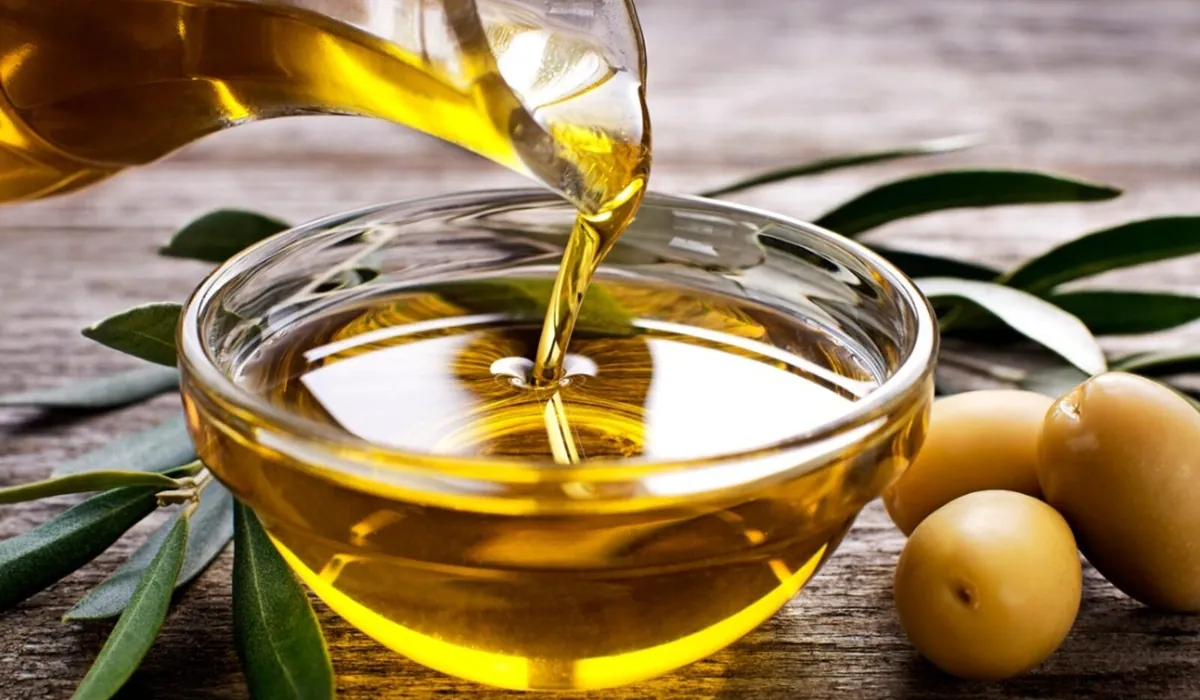
The oil rests in stainless tanks until the solids drop out by gravity, then passes through cotton. No filtering agents, no chemical clarifiers, no deodorising.
This is why the wild oil arrives faintly cloudy. Perfectly clear oil usually means heavier processing, and processing is what strips flavour.
Four, bottling
Dark glass, sealed, dated
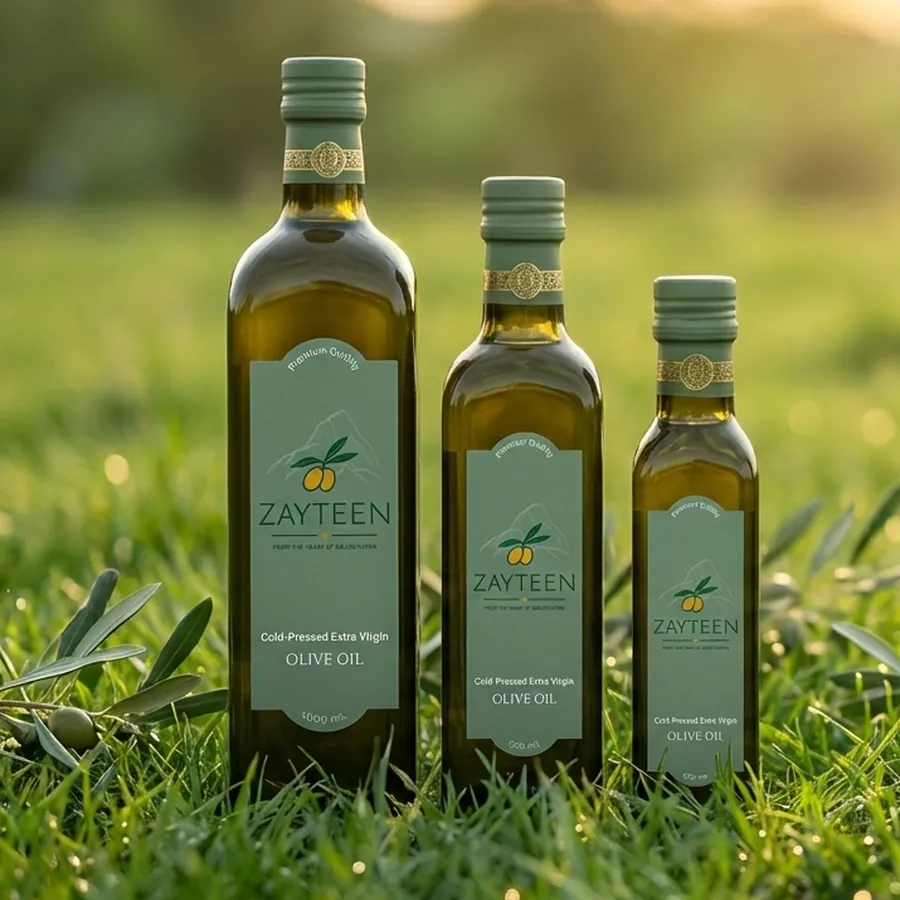
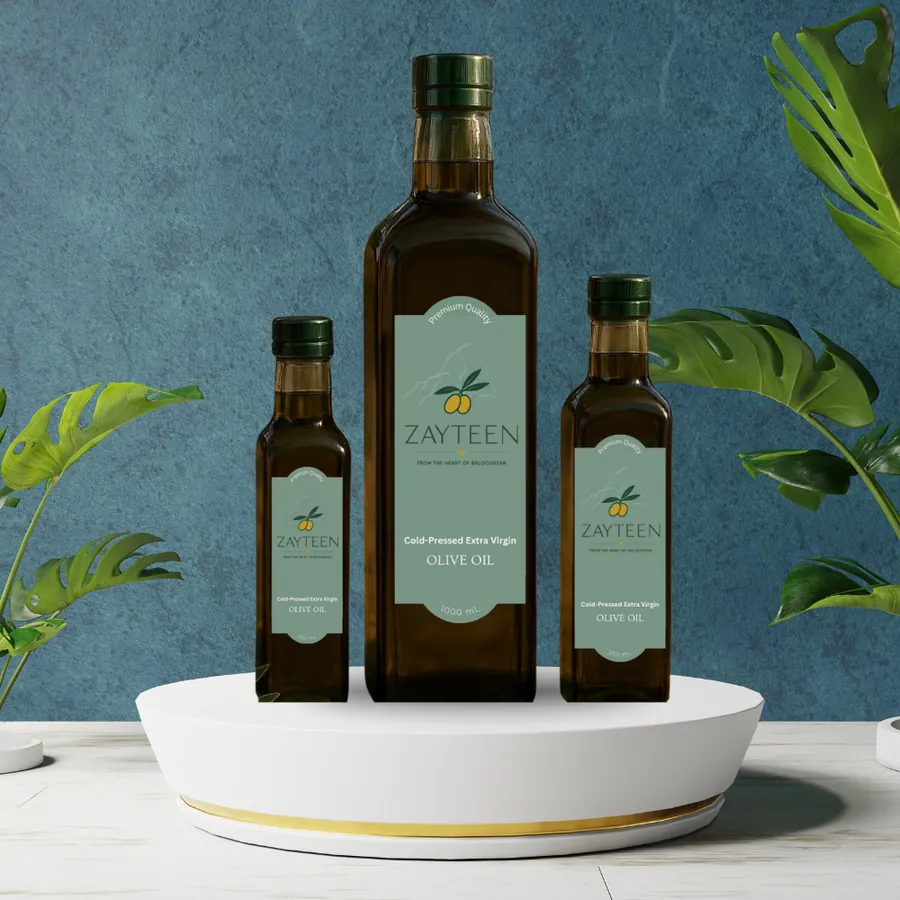
Light is the fastest way to ruin olive oil, faster than air and much faster than time. Everything ships in dark glass with a tamper-evident seal, in 250ml, 500ml and 1 litre.
Every bottle carries a batch code and its pressing date. That code ties back to a lab result, free acidity, peroxide value, polyphenol content, which we will send you if you ask.
What we don't do
No blending with other origins. No refined or lampante oil cut into the bottle. No heat, no solvents, no deodorising, no second pressing sold as first. If a batch fails testing it doesn't get bottled.